Civilization as Scaffolding
We are searching for a new identity. We tried to turn the universality of globalisation into an aesthetic order—and discovered that nothing can be universal without first being local. We tried to escape the notion of style and the temporality of aesthetic change—and even with “absolute” functionalism, we could not free ourselves from the creator’s individual personality, the singularity of materials and the technologies of construction.
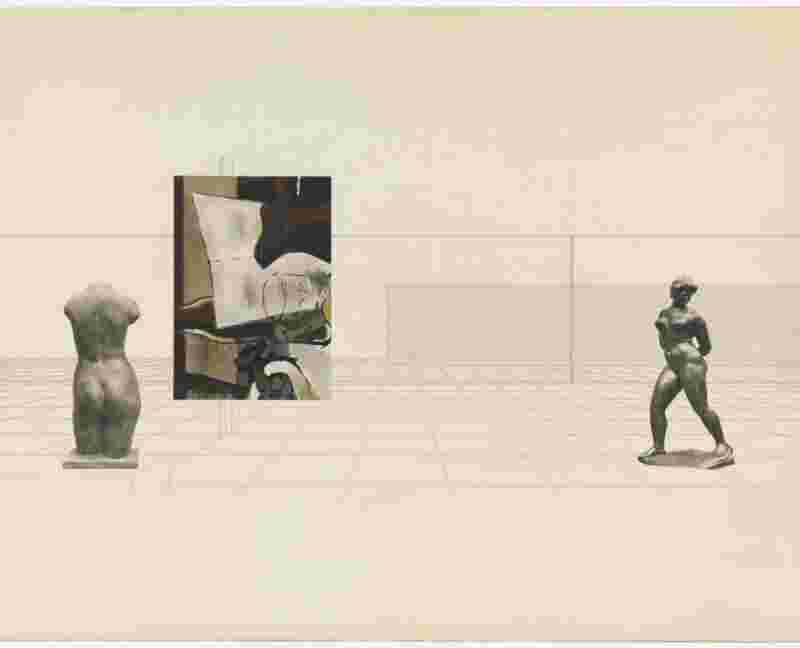
This turning away from place, materials, technique—and ultimately from expression through the collective rather than the arbitrary subjectivism we have embraced—has diminished us. We are a civilisation of scaffolding.
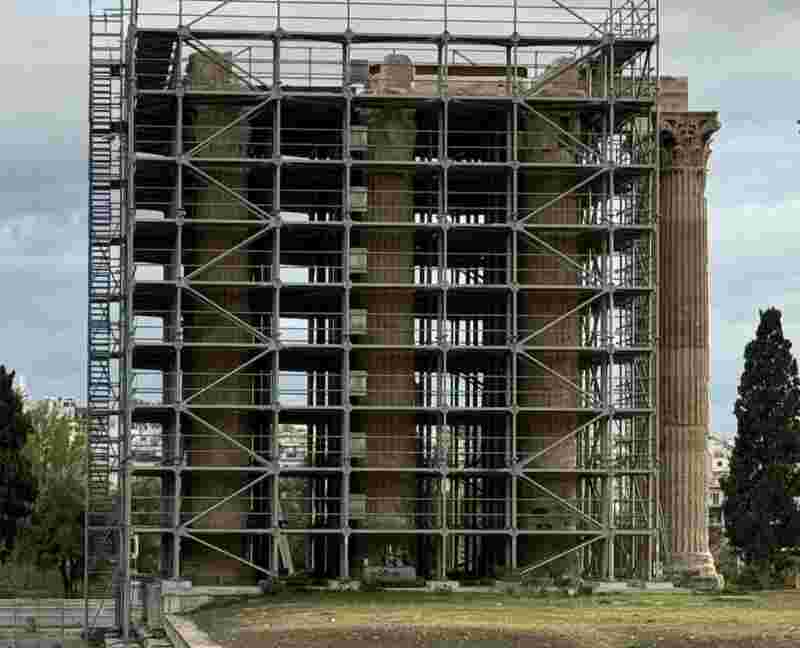
Not in the sense that we simply repair rather than build. But in a more radical sense: we have found our creative outlet in maintenance as an act of creation. The framework has become the work. Scaffolding no longer stands in front of something being built—it has itself become the object, the artistic choice itself. This is not necessarily wrong. But it is worth recognising it for what it is.
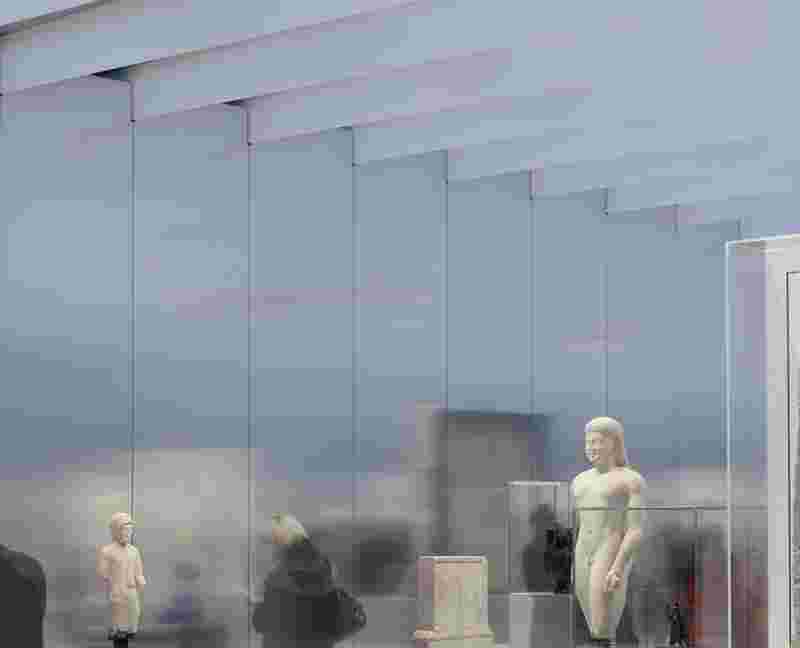
The strength of our civilisation lies not in drawing on the content of history, but in preserving and framing it—for this allows us to relate to and assimilate its values. Our isolation from history is a choice. And every choice produces history—the question is whether that history recognises itself as such, or believes it is freezing time.
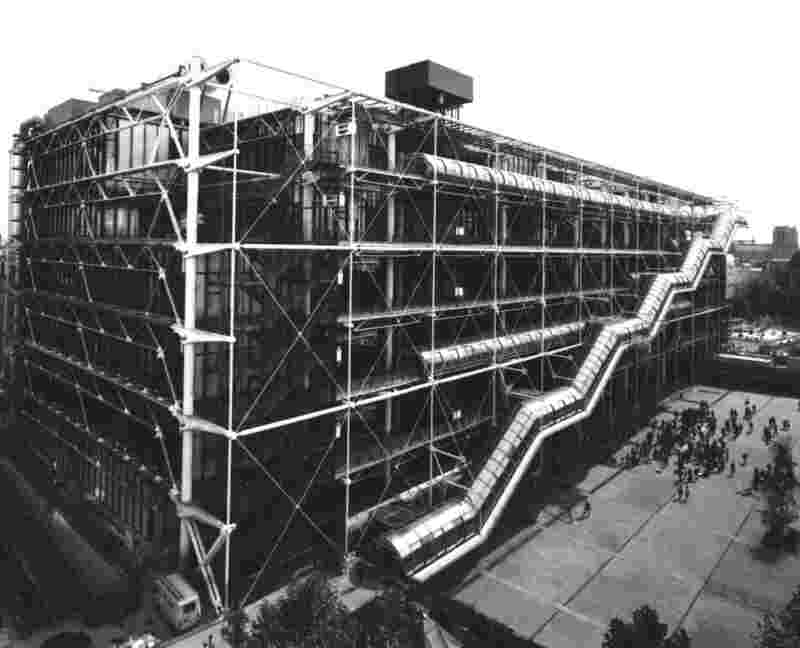
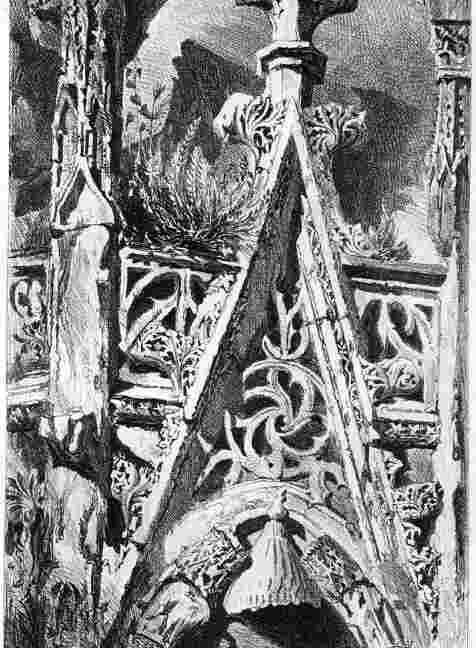
The repair of a monument is the ultimate example of this condition. Why save a monument? Why did we not do so earlier? The love of ruins did not emerge by chance—it arose from ideological conflicts played out in space, and from the survival of the past even when history is written by the victors. Throughout history, the love of ruins has been the love of the great defeated. A personification of history as a reminder of death—and of the fragility of every civilisation.
Perhaps what is at stake in our time is precisely the articulation of this fragility within the collective realm. What needs to change is not the world—but the way we see it. For this to happen, we must believe that our everyday, mundane reality produces history—whether we see it or not. Scaffolding is not temporary. It is a new locus.